
Kuheshan
Projects

Selected projects across product development & textile research

Development of Nylon 66 Coated Motorcycle Jacket (Comprehensive Design Project)
Project partners
Product Development Specialist

Development of Nylon 66 Coated Motorcycle Jacket (Comprehensive Design Project)

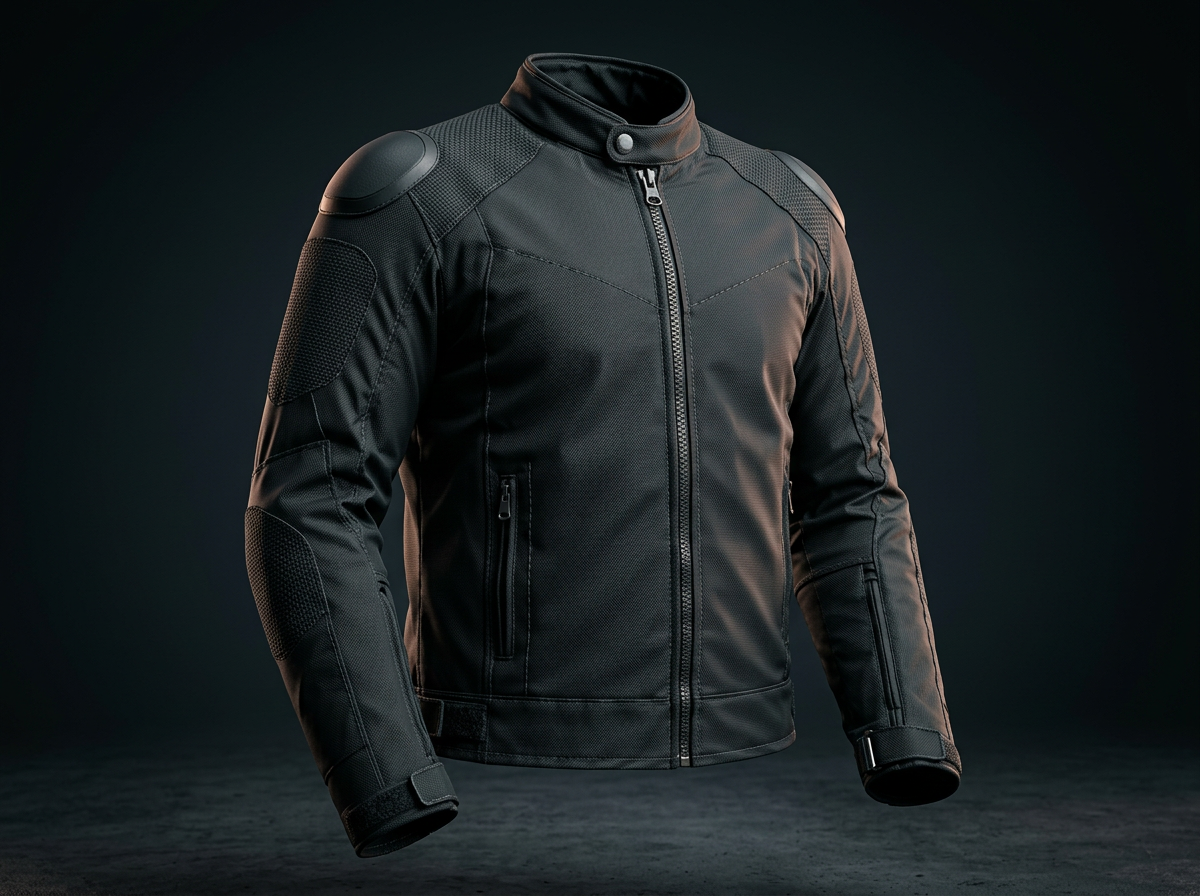
Developed a lightweight, durable, and cost-effective motorcycle jacket for improved rider safety, bridging the gap between heavy protective gear and lightweight jackets with limited protection. Built from Nylon 66 basket weave fabric coated with Styrene Butadiene Rubber (SBR) in a four-layer composite structure that improves abrasion resistance, tear strength, and overall durability while keeping the garment commercially viable. Project Description: A technical design was developed using a four-layer composite structure with two Nylon 66 fabric layers and two SBR coating layers. The jacket includes shoulder, elbow, and back reinforcement panels for impact and abrasion protection. It also features a stand collar with snap closure, centre front zipper, side welt zipper pockets, and adjustable cuff and waist tabs. Reinforced seams, bonded nylon thread, and protective topstitching support strength and durability across high-stress areas of the garment. Solution: Nylon 66 basket weave fabric was paired with Styrene Butadiene Rubber (SBR) coating in a four-layer composite to balance protection with weight and cost. Targeted reinforcement panels, considered seam construction, and rider-focused fit were combined with a full tech pack covering measurements (XS–XL), BOM, construction details, and material/process flow, so the design is production-ready for commercial manufacture. Conclusion: The project delivers a practical protective jacket that balances safety, comfort, affordability, and durability. The Nylon 66 and SBR composite structure is intended to reduce abrasion damage, tearing, cutting, and minor impact-related injuries while maintaining a clean fitted rider silhouette suitable for commercial use. Performance was validated through abrasion, impact, tear, bursting strength, and impact-cut resistance testing.

Technical DesignComposite MaterialsNylon 66SBR Coating+2
Development of Upcycled Denim Jacket (Ongoing Sustainable Design Project)
Project partners
Sustainable Design Lead

Development of Upcycled Denim Jacket (Ongoing Sustainable Design Project)

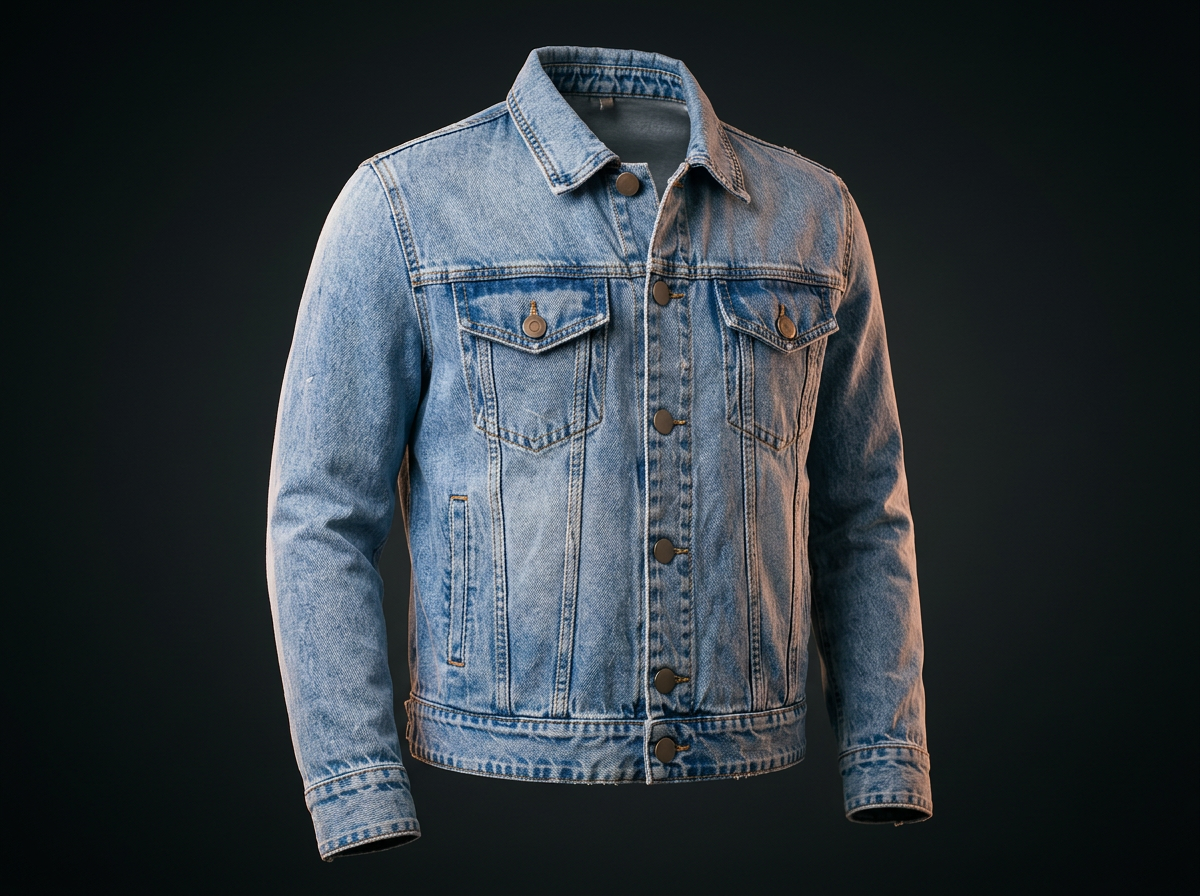
An ongoing sustainable design project that upcycles unsold donated denim into an affordable, commercially viable denim jacket for the Sri Lankan market, combining circular fashion principles with realistic cost engineering. Project Description: This ongoing project was initiated after observing large quantities of donated used denim garments remaining unsold during my volunteer work at Wirral Hospice St John's in the UK. The aim is to upcycle unsold denim jeans into a sustainable, affordable, and commercially viable denim jacket for the Sri Lankan market. Solution: I developed a prototype upcycled denim jacket in partnership with MUTA – Moratuwa University Textile Association and Zeera Holdings, using approximately 78% of fabric from each used denim garment. The project is also planned to explore collaboration with Wirral Hospice St John's to source unsold donated denim and create a circular fashion model that adds value to textile waste. Conclusion: The project is currently ongoing and aims to reduce denim waste, promote circular fashion, and make sustainable fashion more affordable. Compared with a regular denim jacket priced around LKR 18,000, the upcycled version is planned to be offered at approximately LKR 8,000. Although final costing is still under development, the project targets a realistic gross profit margin of approximately 25%–35%, creating both environmental and economic value.

UpcyclingCircular FashionSustainable DesignDenim+2
Reducing Material Wastage in Cut Store and Production Plant – Internship Project (Calzedonia Group – Omega Line Vavuniya Apparels Ltd.)
Project partners
Textile Engineer Intern

Reducing Material Wastage in Cut Store and Production Plant – Internship Project (Calzedonia Group – Omega Line Vavuniya Apparels Ltd.)

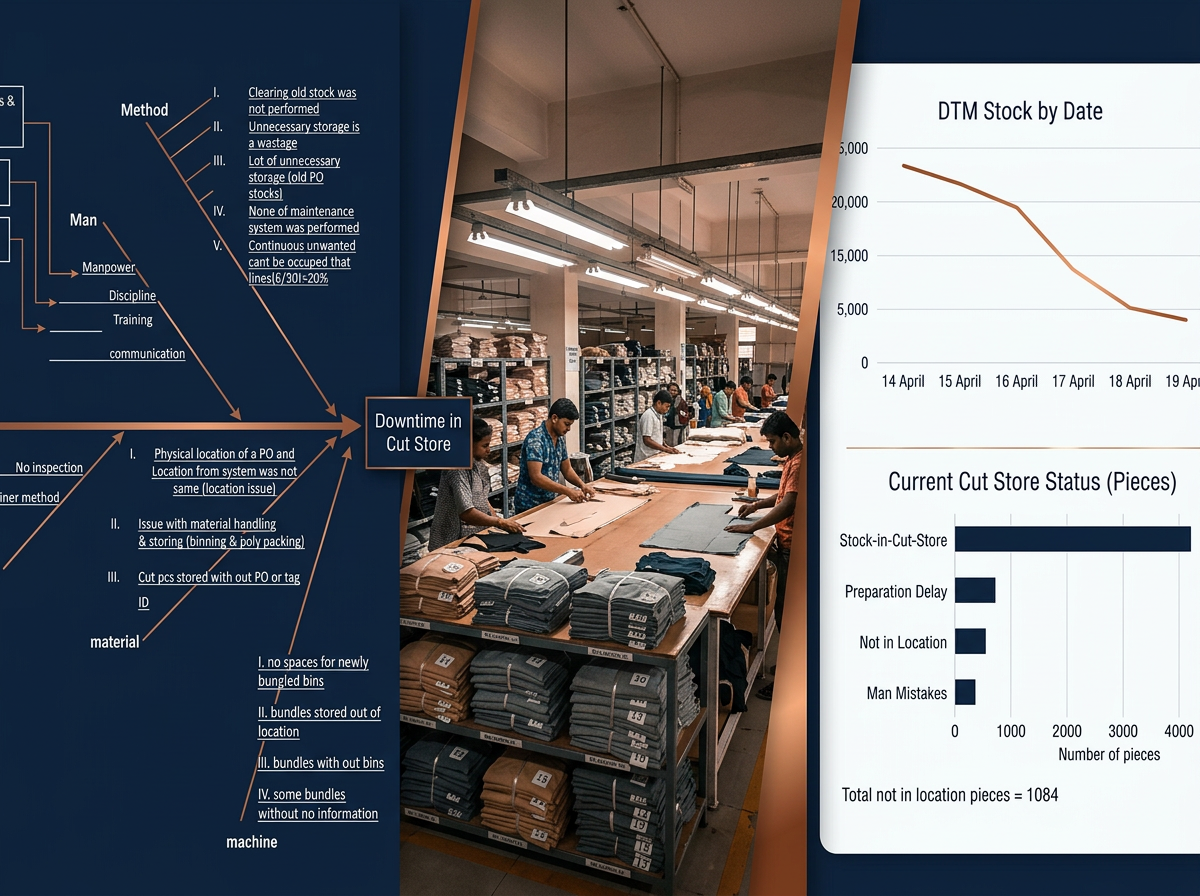
An internship project at Calzedonia Group – Omega Line Vavuniya Apparels Ltd. focused on reducing material wastage and downtime in the cut store and issuing section through lean tools and structured process improvement. Project Description: This internship project investigated how cut store and issuing section inefficiencies were contributing to material wastage, missing bundles, poor space utilisation, and production downtime within the plant. Solution: Through structured analysis and process improvement tools such as 5S, Poka-Yoke, Kaizen, and root cause analysis, I developed practical methods to improve stock visibility, reduce location errors, identify old stock quickly, and strengthen issuing accuracy. Conclusion: The project identified cut store and issuing as major contributors to downtime, accounting for 41.2% of total plant downtime. The improvements introduced through better organisation, stock control, and visual tracking helped reduce waste, improve material flow, increase plant productivity by 2%, and improve cutting efficiency by 6%.

5SPoka-YokeKaizenRoot Cause Analysis+2
Investigation of the Effect of Yarn Dyeing on the Properties of 100% Polyester Woven Fabrics (Published in WJERT, as Researcher)
Project partners
Researcher

Investigation of the Effect of Yarn Dyeing on the Properties of 100% Polyester Woven Fabrics (Published in WJERT, as Researcher)

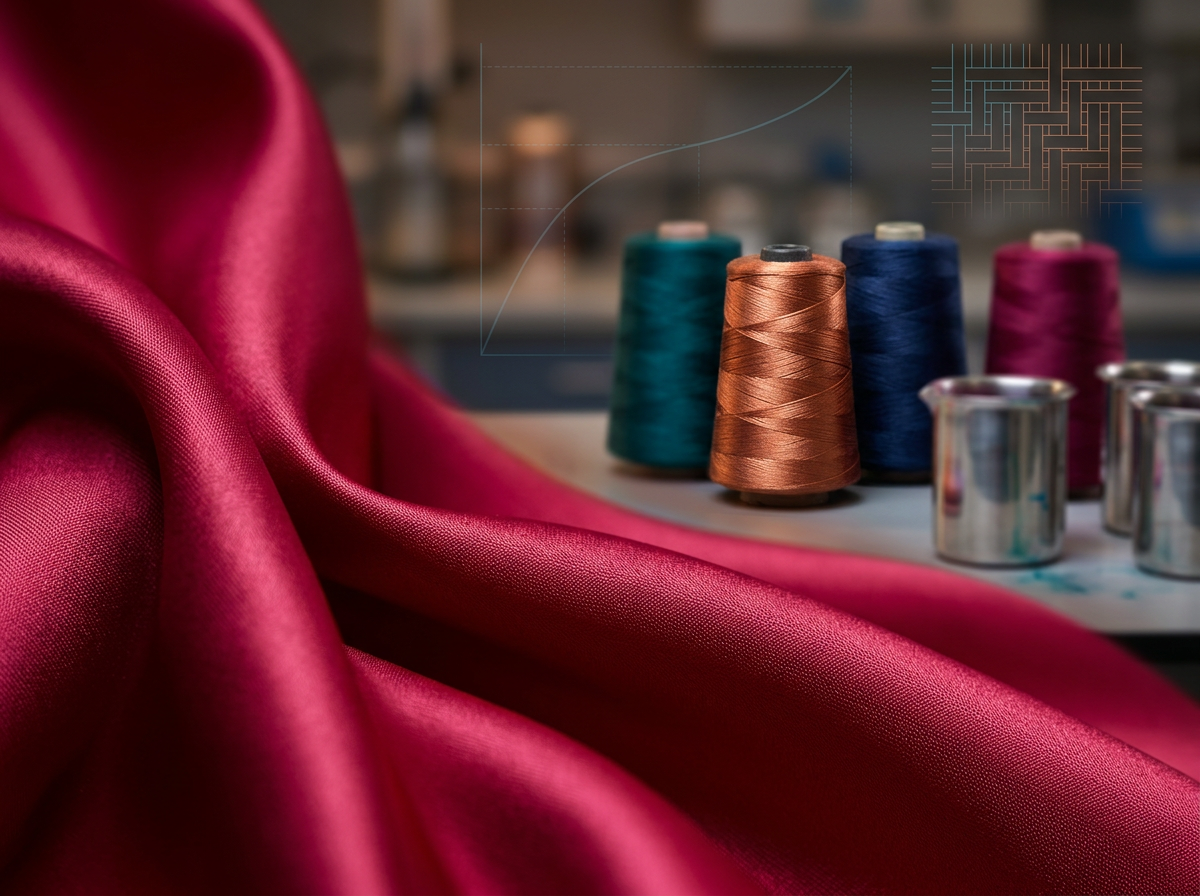
A published research study examining how yarn dyeing influences the strength, elongation, and overall performance of 100% polyester woven fabrics, providing technical insight for optimising dyeing conditions in the textile industry. Project Description: This publication investigated how yarn dyeing influences the physical and mechanical properties of 100% polyester woven fabrics, with a particular focus on breaking strength, elongation at break, and dyeing-related variations. The study was conducted through three experiments covering dyed and undyed yarns, woven fabrics made from dyed yarns, and dyed polyester fabrics. Solution: By applying a controlled experimental research approach, the study used IR dyeing, rapier weaving, water-jet loom production, and tensile testing under AATCC standards to compare dyed and undyed samples under consistent process conditions. This helped generate practical insights into how dyeing parameters affect polyester yarn and woven fabric performance. Conclusion: The study found that yarn dyeing had a measurable effect on the properties of 100% polyester yarn and woven fabrics. The results showed a slight reduction in tensile/breaking strength (around 3.6%–11.8%) and a clear increase in elongation at break (around 6.5%–60.8%) after dyeing. This indicates that the dyeing process influences fabric flexibility more than strength. The findings provide useful technical insight for optimising polyester dyeing conditions and improving the quality, durability, and performance of woven fabrics in the textile industry.

Textile EngineeringPolyester FabricYarn DyeingFabric Properties+1
Investigation of the Colour of Weft Yarn on Properties of Woven Labels
Project partners
Researcher

Investigation of the Colour of Weft Yarn on Properties of Woven Labels

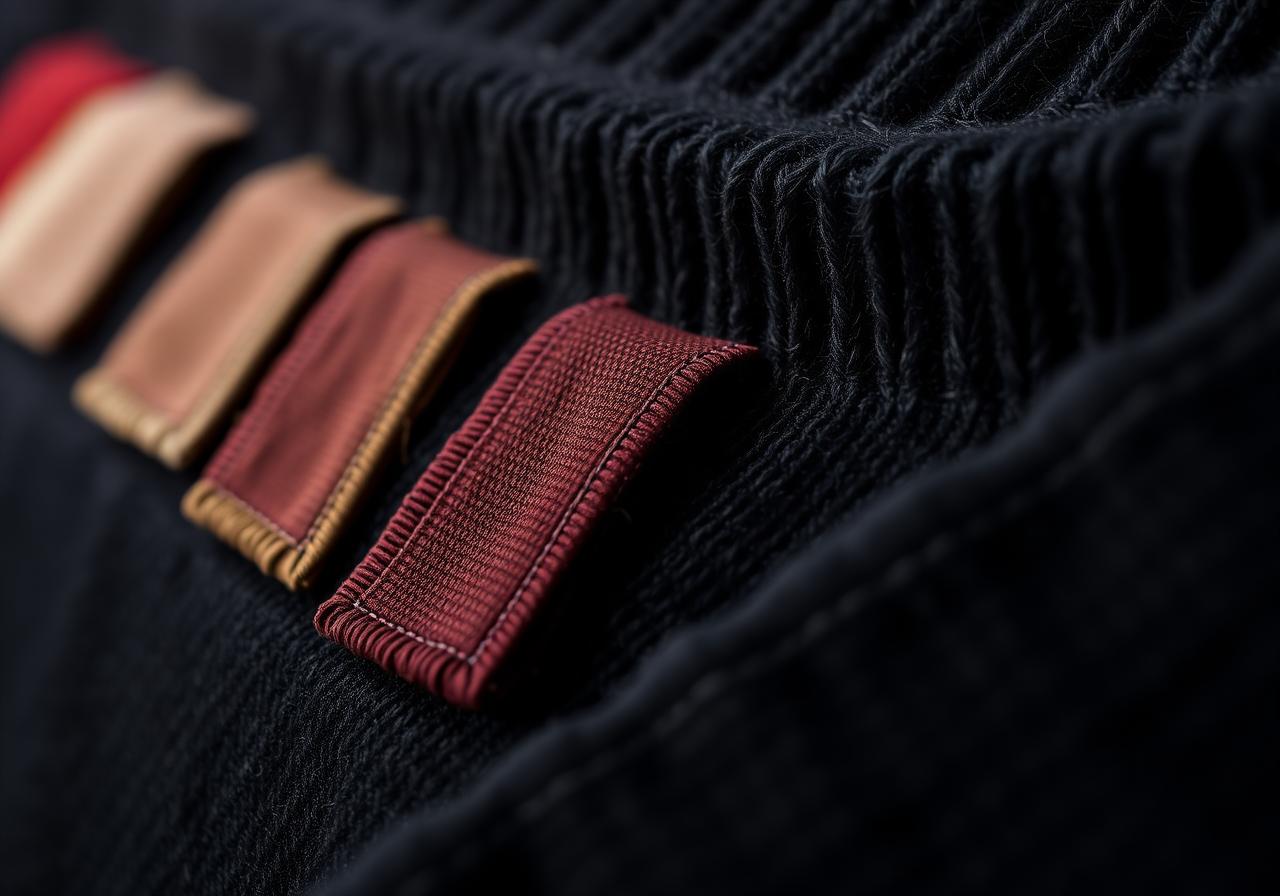
Industry-academia research collaboration with Noyon Lanka (Pvt) Ltd, A&E Lanka Ltd, S M L Dualplast Lanka (Pvt) Ltd and PrabaTex, focused on improving the weaving efficiency of 100% polyester yarn in the woven label industry. Project Description: As weft yarn insertion speeds are pushed higher on label looms, manufacturers face recurring quality issues such as weft yarn breakage, floating and skipped wefts, loose pick-ups, miss-picks, shade variation between dye lots, fuzzing and pilling on the label face, weak selvedges, and reduced tensile and abrasion performance of the finished label. This research investigated how polyester dye chemistry and dyeing parameters influence weft yarn properties (tenacity, elongation, friction and surface finish) and how those properties in turn affect weaving speed, label durability and overall quality. Solution: By partnering with four key industry players, the project integrated academic testing with real production data, building a model that links polyester dye selection to yarn behaviour and loom performance. Trials were run across multiple shades and yarn batches to validate the model on live production lines, ensuring practical, transferable results. Conclusion: The work delivered a 10% improvement in woven label durability and a 15% uplift in overall product quality, while increasing weft insertion efficiency on the plant floor. The findings continue to benefit the partner companies as a reference framework for dye and yarn selection in high-speed label weaving.

Textile TestingWoven LabelsResearchProduct Quality+1